


Beyond the Kardashians: Why Nano-Influencers and UGC Are the Future of Marketing
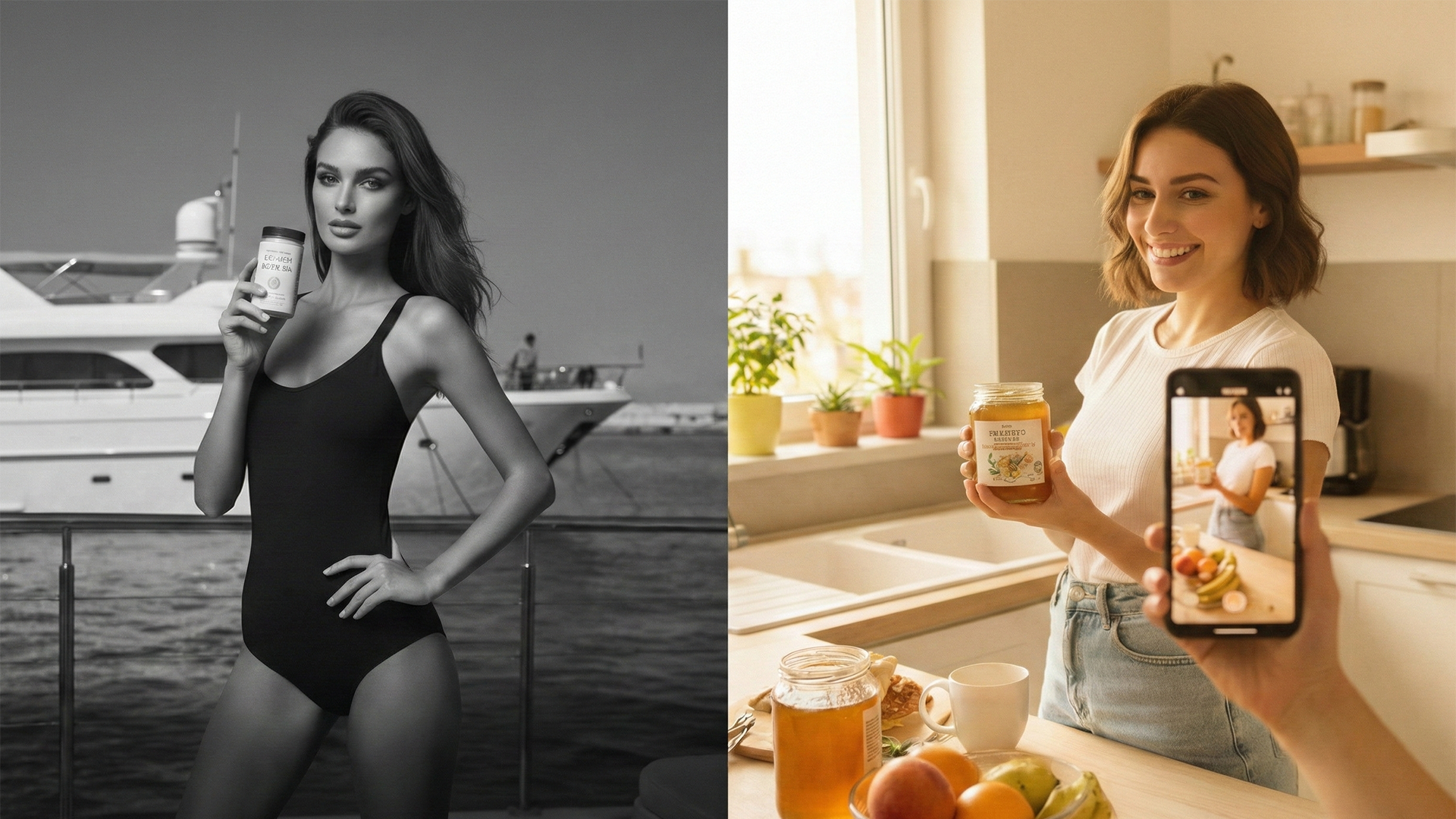
When you hear “Influencer Marketing,” you might picture a reality TV star posing with a detox tea or a supermodel on a yacht in Dubai. For 99% of businesses, that world is irrelevant, expensive, and increasingly ineffective.
Welcome to the era of the Nano-Influencer and UGC (User Generated Content). In 2026, consumers are tired of polished, perfect, and clearly paid-for endorsements. They crave authenticity. They trust the “mom next door” who has 2,000 followers far more than the celebrity with 2 million.
This guide explains why “thinking small” is the biggest opportunity for your brand this year.
What is a Nano-Influencer?
- Macro-Influencer: 100k+ followers. Expensive. Broad audience. Low engagement.
- Micro-Influencer: 10k–100k followers. Niche audience. Good engagement.
- Nano-Influencer: 1k–10k followers. These are “real” people. They reply to every comment. Their audience consists of friends, family, and locals who actually trust their opinion.
Why “Small” Wins in 2026
- Trust: A Nano-influencer’s recommendation feels like advice from a friend.
- Engagement: Nanos often have engagement rates of 5-10%, compared to <1% for celebrities.
- Cost: You can often work with them in exchange for products or experiences, rather than large cash fees.
- Local SEO: For a Costa del Sol business, a Nano-influencer living in Marbella reaches Marbella people. A global influencer reaches people in Ohio who will never visit your restaurant.
The Rise of UGC (User Generated Content)
UGC is the cousin of influencer marketing. It is content created by users (or paid creators) that looks like a customer review but is posted on your channels.
- The Strategy: Instead of hiring a professional videographer to shoot a slick commercial, send your product to a content creator. Ask them to film an unboxing or a “How-To” video on their phone.
- Why it works: It stops the scroll. When we see a high-production ad, our brain says “Ad = Skip.” When we see a shaky phone video of a real person, our brain says “Content = Watch.”
- Ad Performance: UGC-style ads on TikTok and Instagram Reels reduce Cost Per Click (CPC) by up to 50%.
How to Build a Campaign: A Step-by-Step Guide
Step 1: Identify. Look at who is already tagging your location or using your hashtag. These are your warmest leads.
Step 2: Reach Out. Keep it personal.
- Bad: “Dear Influencer, we want to collab.”
- Good: “Hi Sarah, loved your photos of the beach last week. We’re launching a new summer menu at [Restaurant Name] and would love to host you and a friend for dinner to hear what you think.”
Step 3: The Brief. Be careful. Do not give them a script. If you force them to say specific marketing slogans, it will sound fake. Give them “Key Talking Points” (e.g., “Mention the vegan options”) but let them use their own voice.
Step 4: Disclosure. Ensure they use #Ad or #Gifted. Transparency is non-negotiable in 2026.
Common Pitfalls to Avoid
- Buying Followers: Always audit an influencer before hiring them. Use tools like SocialBlade to check for sudden spikes in followers (a sign of bots). If they have 10,000 followers but only 5 likes per photo, run away.
- One-Night Stands: Don’t just do one post. Build long-term ambassadors. A creator who mentions your brand 5 times over 6 months is infinitely more persuasive than a one-off post.
Key Statistics
- 92%: Consumers who trust recommendations from individuals (even if they don’t know them) over brands.
- 11x: The ROI of influencer marketing compared to banner ads.
- 60%: Marketers who say UGC is the most authentic form of content.
You do not need a million-dollar budget to use influencer marketing. You just need to identify the local voices that your customers already trust. In 2026, the most powerful marketing channel is a real person telling a true story.