


What Food Can You Take to the UK from Spain?
If you’re heading home to the UK to visit family over the summer months, you need to be careful about what you pack in your suitcase!
Us expats love Spanish food and often want to bring a taste of Spain to our friends and family when we visit, but did you know that lots of our favourite Spanish foods are banned from being taken into the UK?
Staying up-to-date with current customs rules is vital to avoid hefty fines, confiscated goods, or delays at the border. To make sure no one falls foul of recent biosecurity changes, we spoke to our client – travel insurance specialists Staysure Expat and asked them what was what!
Keep reading for answers to your questions about bringing food from Spain to the UK and what is and is not allowed. Thanks to the Staysure Expat team for the information – this travel advice could save you a fortune.
Q: Can I bring traditional Spanish food like jamón and Manchego cheese into the UK?
A: No. The UK government has introduced a strict ban on travellers bringing personal imports of meat and dairy products from the EU into Great Britain (England, Scotland, and Wales). Originally implemented in April 2025, ministers have confirmed this ban will continue throughout 2026 to protect British agriculture from outbreaks of Foot and Mouth Disease (FMD) in Europe.
Prohibited items include:
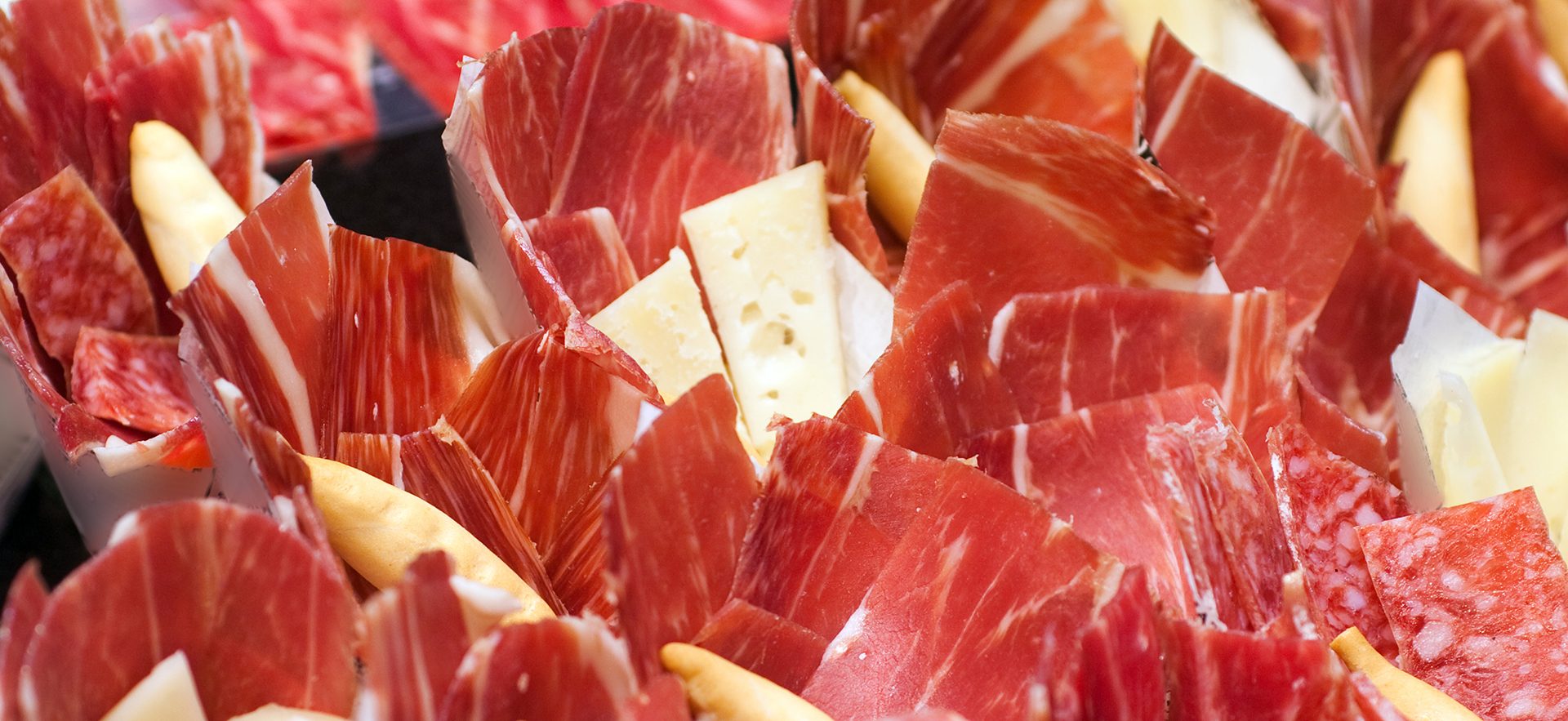
- All meat products: Pork, beef, lamb, and goat (including jamón ibérico, chorizo, and other cured sausages).
- All dairy products: Cheeses (like Manchego), milk, butter, and yoghurt.
These rules apply to all personal imports, whether you bought them at a local Spanish market, a supermarket, or duty-free at the airport. You should check the rules regarding bringing food into the UK on the Gov.UK website before flying to ensure you have the most up to date information.
Q: Are there any penalties if I break the rules?
A: Yes, the penalties can be severe. In a press release from the Department of Rural Affairs they explain that if border officials find banned meat or dairy products in your luggage that you have not declared, the items will be immediately seized and destroyed. Furthermore, you could face a penalty fine of up to £5,000, and in the most serious cases, prosecution.
Our Expat Tip: If you are ever unsure whether a food item in your luggage is permitted, always declare it in the “red channel” at customs or via the red point phone. If you declare a banned item voluntarily, Border Force will simply dispose of it, and you will not be fined.
Q: What Spanish foods and gifts are still allowed?
A: Fortunately, many beloved Spanish staples are entirely unrestricted and carry no biosecurity risks.
Premium olive oil, pimentón, saffron, traditional turrón (nougat) and local honey all make lovely gifts which really connect with the culture of Spain, without breaking the rules!
Our Expat Tip: In most Spanish airports standard airport liquid rules still apply to your hand luggage. Ensure bottles of olive oil or honey over 100ml are securely packed in your checked baggage. There are exceptions such as Madrid, Barcelona and Palma, but there is still a possibility that you will be directed to a lane with the older scanners which enforce the 100ml rule, so you’re best to pack larger liquids to be on the safe side.
Q: Will these restrictions change in the future?
A: The ban is officially classified as a temporary emergency measure. However, as the government recently extended the rules into 2026, they will remain in place as long as the FMD biosecurity risk persists in Europe. Any future changes will depend on the successful eradication of these animal diseases or new veterinary agreements between the UK and the EU.
Q: Do these rules apply if I travel from Spain to another EU country?
A: No. If you are an expat taking a trip from Spain to another EU member state (such as France, Germany, or Italy), these restrictions do not apply. Because the EU operates as a single market, there are no customs checks or bans on transporting meat and dairy for personal consumption between member states.
Q: What are the best alternative gifts to bring back to the UK?
A: Since traditional meats and cheeses are off the table, consider authentic Spanish crafts and cupboard staples that carry zero border risks. Gourmet canned seafood, Andalusian olive oil, and artisan sweets make excellent culinary gifts. Alternatively, traditional handmade crafts—such as hand-painted ceramics for serving tapas, elegant wooden fans (abanicos), or classic espadrilles—make beautiful, rule-abiding souvenirs that your family will love.
As your specialist expat travel insurance provider, Staysure Expat wants your journey home to be as smooth and stress-free as possible. Always check the official Gov.uk website for the latest customs updates before you pack, and ensure your comprehensive expat travel insurance policy is up to date before you fly.